
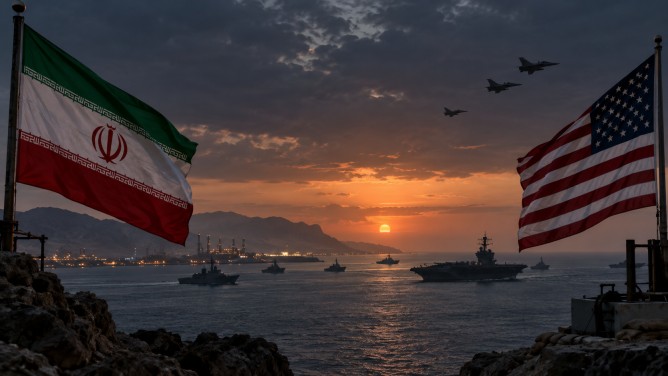
As tensions mount across the Middle East, the United States and Iran have exchanged fresh threats, escalating the already precarious situation in the region. The strategic Strait of Hormuz remains a focal point in the conflict, as Iran continues to link its reopening to the ongoing negotiations and conditions of the conflict. This critical waterway is vital for global energy supplies, and its disruption has contributed to fluctuating oil prices and concerns over regional security.
Amidst this backdrop, U.S. President Donald Trump has urged Iran to engage in dialogue, warning of severe consequences should Tehran refuse. Despite the escalating confrontation, Trump has suggested he remains open to a diplomatic meeting with Iranian President Masoud Pezeshkian during the United Nations General Assembly in New York. This potential diplomatic overture reflects a complex tension between military threats and possible negotiation.
Iran, on its part, has issued a stern warning that any new U.S. military action would lead to retaliation against American bases and interests in the region. Iranian military officials have also cautioned that any nations supporting a U.S. offensive could be considered participants in the conflict, highlighting the potential for a broader escalation.
The conflict’s ripple effects are felt beyond Iran and the U.S., as the Houthi movement in Yemen has intensified its attacks against Saudi Arabia. The Houthis have claimed responsibility for recent missile and drone strikes targeting Riyadh and an oil facility in Yanbu. Saudi authorities have reported intercepting a missile aimed at Riyadh, underscoring the ongoing threat to regional stability.
These developments have raised alarms regarding the security of energy supplies and shipping routes, particularly around Yemen’s Red Sea coast and the Bab el-Mandeb Strait. Although there was a temporary easing in oil prices on September 21, spurred by hopes of renewed diplomacy and a partial recovery in Saudi exports, the volatile situation continues to present risks to global markets.