
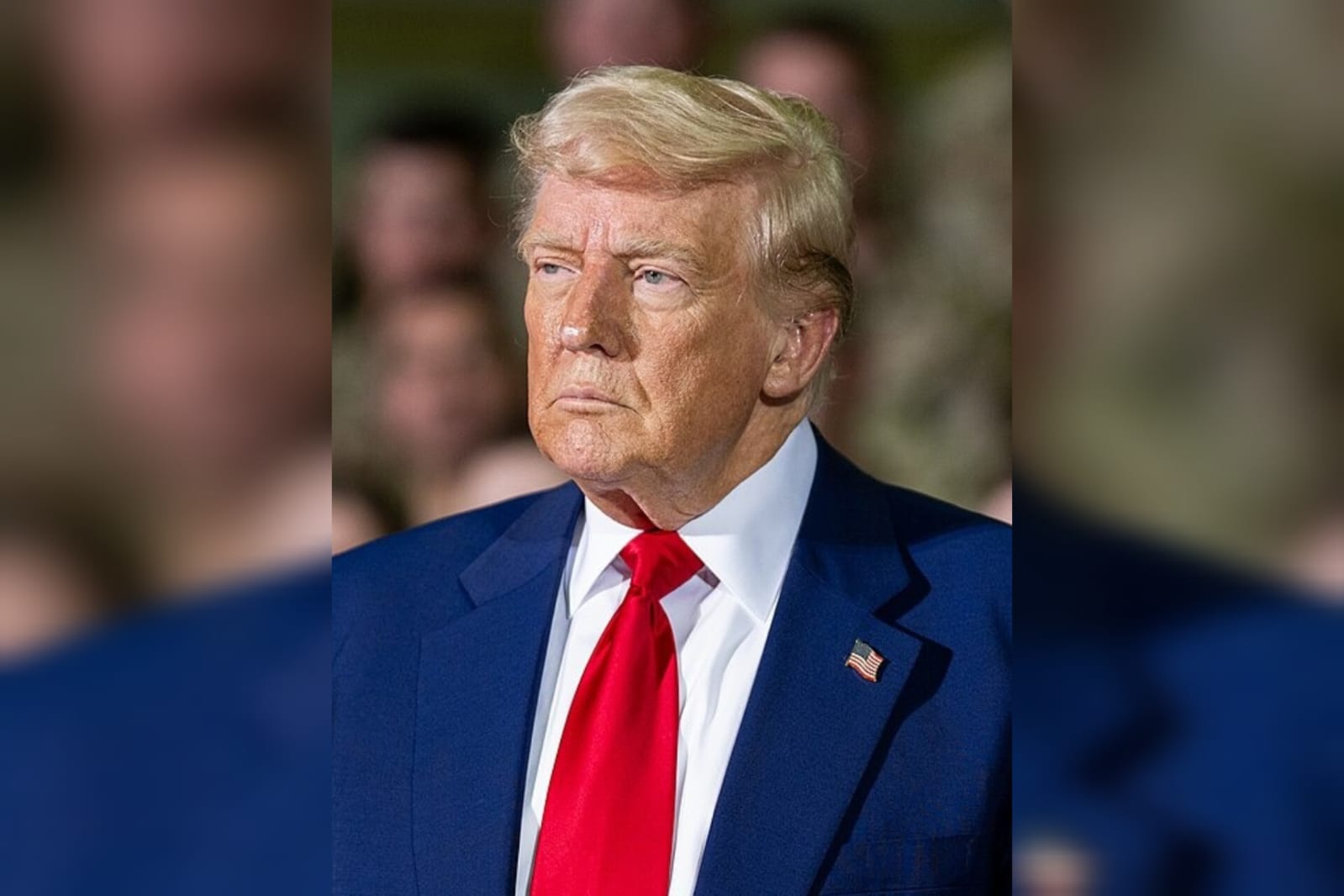
In a move hailed as a significant diplomatic achievement, U.S. President Donald Trump and Iranian President Masoud Pezeshkian have signed a 14-point agreement aimed at easing tensions and preventing a global economic crisis. Central to this agreement is the reopening of the Strait of Hormuz, a pivotal route for global oil shipments, which Iran had previously closed. This deal marks the commencement of a 60-day negotiation period to work towards a more comprehensive and lasting resolution between the two nations.
The agreement stipulates that Iran will not only reopen this critical waterway but also engage in discussions regarding its nuclear program. In exchange, the United States has agreed to relax certain sanctions, facilitate the export of Iranian oil, and unfreeze Iranian financial assets. Additionally, the U.S. has pledged support for economic initiatives aimed at reviving Iran’s economy, although it has clarified that direct financial contributions to Iran’s reconstruction will not be forthcoming from the United States.
President Trump has defended this agreement as a necessary diplomatic measure to avert a broader conflict that could have severely disrupted global economic stability. He emphasized that reopening the Strait of Hormuz is vital for stabilizing energy markets and ensuring the security of international shipping routes. The agreement also lays the groundwork for further discussions on reducing Iran’s stockpile of highly enriched uranium under international oversight.
Reactions to the agreement have been mixed. Proponents argue that it reduces tensions in the region, enhances global energy security, and sets the stage for sustained negotiations regarding Iran’s nuclear ambitions. However, detractors are concerned that the deal offers Iran substantial economic benefits without sufficiently addressing its ballistic missile program or regional influence, potentially enabling Tehran to secure significant financial and strategic gains.
Further commitments within the agreement aim to diminish regional hostilities, with Iran pledging not to develop nuclear weapons and to moderate the actions of its regional allies. Future negotiations are anticipated to tackle ongoing issues, such as missile development and overall security in the Middle East. While the accord is seen as a notable milestone by both sides, its ultimate success will hinge on the outcomes of forthcoming negotiations.