
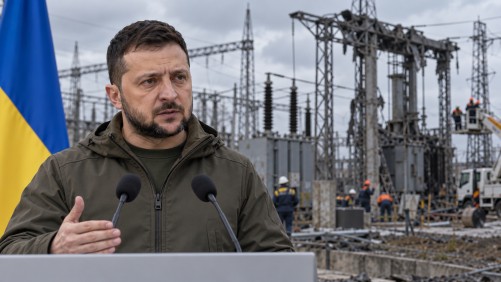
Amidst ongoing tensions between Ukraine and Russia, Ukrainian President Volodymyr Zelenskyy has issued a stark warning of retaliation should Russia persist with its assaults on Ukraine’s energy infrastructure. This development comes as discussions of an energy ceasefire, reportedly initiated by former U.S. President Donald Trump, stir controversy due to a lack of formal agreement between the involved parties.
Speaking at a European security gathering in Warsaw, Zelenskyy emphasized Ukraine’s readiness to respond if Russian attacks continue, particularly as the country heads into the winter months. The Ukrainian leader expressed surprise at Trump’s announcement of an immediate energy ceasefire, noting that it had not been officially agreed upon by either Ukraine or Russia.
The ongoing conflict has seen Russian drone and missile strikes targeting several Ukrainian energy facilities, leading to power outages and raising concerns about the stability of the country’s electricity supply. A recent strike on a power station in Kharkiv has heightened fears regarding energy security as colder weather approaches.
Ukraine has shown openness to negotiating a ceasefire to protect critical energy infrastructure and mitigate the risk of widespread power shortages. However, Russia has yet to confirm its willingness to accept such an arrangement, insisting that a broader peace agreement is necessary first.
The situation has been complicated by Trump’s decision to ease restrictions on Russian diesel imports, a move he argues could decrease fuel prices. This decision has drawn criticism from Zelenskyy, who contends that increased revenue from energy exports could bolster Russia’s war efforts. Trump has also urged Ukraine to halt attacks on Russian oil refineries, which he claims are contributing to higher fuel costs, further straining U.S.-Ukraine relations.
European leaders have expressed support for Ukraine and emphasized that any ceasefire must be observed by both parties. Several have also criticized the relaxation of restrictions on Russian energy imports, underscoring the need for continued economic pressure to limit Russia’s military funding capabilities.
As Russia intensifies attacks on Ukrainian infrastructure ahead of winter, concerns grow about potential electricity shortages and disruptions to essential services. Ukraine’s ongoing targeting of Russian energy facilities aims to weaken Moscow’s war financing and military capabilities. The escalating dispute raises questions about the future of U.S. support for Ukraine, which includes crucial intelligence sharing and weapons procurement arrangements backed by European allies. With energy infrastructure becoming central in the conflict, the prospects for a ceasefire remain uncertain, and the situation continues to develop. European leaders persist in advocating for measures that safeguard civilians and critical infrastructure during the winter months.