
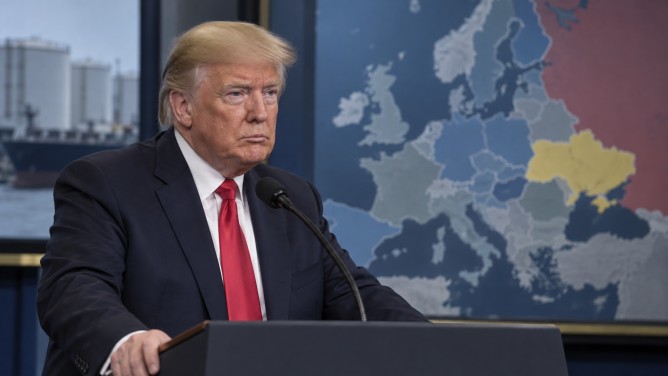
In a move that has stirred international tensions, U.S. President Donald Trump announced a significant diesel supply agreement with Russia. The deal, brokered with Russian President Vladimir Putin, involves supplying over 300,000 tonnes of Russian diesel to global markets, with more shipments anticipated in the coming months. Trump argues that this agreement aims to alleviate rising fuel prices impacting American consumers, especially benefiting sectors such as agriculture and transportation.
This decision comes against a backdrop of global fuel shortages resulting from disruptions in energy supplies linked to conflicts in the Middle East, particularly the closure of the Strait of Hormuz. Higher diesel prices have been a concern for U.S. businesses and consumers, prompting the administration to seek measures that could ease the economic strain.
However, the announcement has drawn sharp criticism from Ukrainian President Volodymyr Zelenskyy, who labeled the deal as unfair. Zelenskyy argues that purchasing Russian fuel could provide Moscow with additional resources to continue its conflict against Ukraine, thereby undermining international efforts to pressure Russia into a peace settlement. He further expressed concern that the agreement might overshadow ongoing diplomatic discussions among Ukrainian, American, and European officials aimed at resolving the war.
Criticism also emerged from within the U.S., where some lawmakers voiced their unease. Democratic leaders highlighted a potential conflict with existing sanctions aimed at limiting Russia’s energy revenues. Some Republicans joined in expressing apprehension that increased revenue could bolster Russia’s military endeavors in Ukraine.
The timing of the deal has further complicated diplomatic relations, as it coincided with U.S. representatives meeting with Ukrainian and European officials to discuss potential resolutions to the conflict. This development could strain Washington’s ties with Kyiv and European allies, who have been working collectively to end the war.
Despite the backlash, Trump maintains that the agreement is essential for reducing energy costs domestically. However, the implications of prioritizing fuel prices over geopolitical considerations continue to raise questions about the United States’ broader strategy toward Russia and its commitment to supporting Ukraine.