
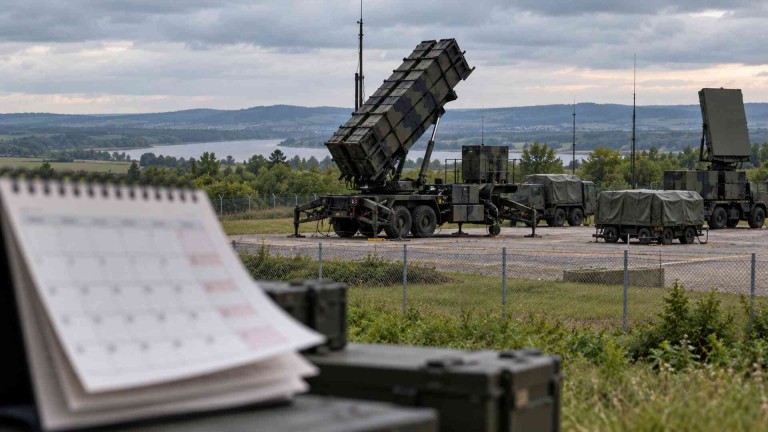
The United States has approved a significant $2.1 billion arms deal to bolster Ukraine’s air defense capabilities with 500 Patriot PAC-3 missile interceptors. This decision aims to enhance Ukraine’s ability to counter Russian missile threats. However, Ukrainian President Volodymyr Zelenskyy has expressed concern over the extended timeline for delivery, potentially leaving Ukraine vulnerable for years as it faces ongoing Russian missile and drone attacks.
The US State Department has emphasized that the proposed sale will improve Ukraine’s defenses against both current and future threats by integrating the advanced missile systems into its air and missile defense framework. The Patriot system is recognized as one of the most effective against advanced ballistic missiles, which are a key component of Russia’s offensive arsenal.
While President Zelenskyy welcomed the US decision, calling it a strong move by Washington, he stressed the urgency of immediate defensive aid. He urged the United States and European allies to consider transferring existing missile stockpiles to Ukraine as a stopgap measure while new interceptors are being manufactured. This immediate assistance is deemed crucial as Russian forces continue to target Ukraine’s energy infrastructure.
The timeline for the delivery of the newly approved interceptors remains uncertain, with expectations that shipments might not begin until the early 2030s. Ukraine is actively lobbying the Pentagon to expedite this process by drawing on interceptors currently available in US military inventories.
Financing for the deal involves contributions from Canada, Germany, and Norway, as well as support from the European Union through the Ukraine Support Loan. Lockheed Martin, a leading US defense contractor, will be responsible for manufacturing the interceptors.
The extended delivery schedule underscores the challenges Ukraine faces as it seeks to defend itself against Russian aggression with the support of Western allies. The situation highlights the complex logistics and geopolitical considerations involved in military aid and the ongoing efforts to ensure Ukraine’s immediate and long-term security needs are met.