
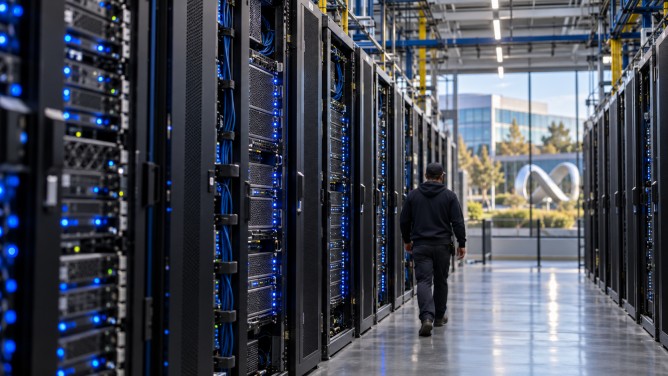
Meta Platforms is gearing up to bolster its artificial intelligence (AI) infrastructure with an ambitious plan to raise $95 billion through stock offerings. The tech giant aims to support its expanding AI investments, focusing on developing robust data centers and enhancing computing capacity.
The fundraising initiative will be conducted in two phases. Initially, Meta plans to secure $35 billion via an underwritten public stock offering. Major chipmakers like Nvidia, AMD, and Broadcom have shown interest in participating, potentially purchasing up to $5 billion worth of shares collectively. The second phase involves a $60 billion at-the-market offering, allowing Meta to sell shares at prevailing market prices over time. This will include a new class of non-voting Class C shares, ensuring that CEO Mark Zuckerberg retains control over company decisions.
This significant move comes at a time when smaller AI infrastructure providers, particularly those known as neoclouds that lease computing power to AI enterprises, are facing financial instability. Elon Musk, CEO of Tesla and SpaceX, has highlighted the challenges these companies face, predicting that over 200 could struggle significantly due to tightening debt markets and reliance on AI data center revenues. Following his comments, shares of some infrastructure providers, such as Nebius, CoreWeave, and Iren, saw declines, although some later rebounded.
As investors scrutinize whether the demand for AI computing can justify the substantial borrowing by data center operators, CoreWeave’s substantial debt accumulation amid expansion efforts underscores the financial risks involved for smaller companies. Analysts suggest that Meta’s established revenue streams and access to equity markets position it better for financing its AI expansion compared to its smaller counterparts.
This strategic fundraising highlights the growing divide in the AI industry, where major technology firms continue to heavily invest in infrastructure, while smaller providers grapple with increasing pressure related to debt, funding, and long-term sustainability.