
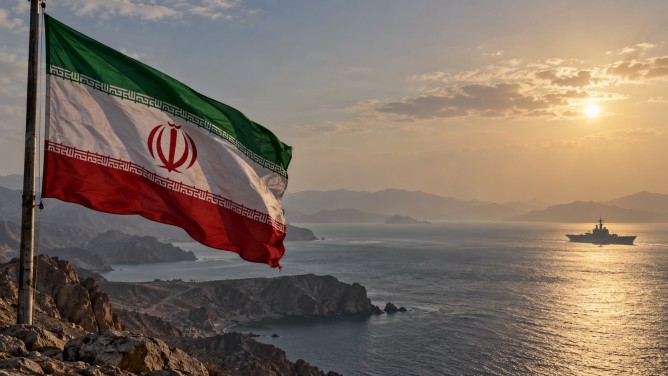
Amid escalating tensions in the Middle East, Iran has issued a warning that a renewed conflict with the United States could be more prolonged than past confrontations. This comes as U.S. President Donald Trump intimated the possibility of further military strikes on Iran, targeting sites such as the suspected underground nuclear facility at Pickaxe Mountain. These developments highlight the uncertain future of diplomatic efforts to resolve the ongoing conflict in the region.
Iranian army spokesperson Mohammad Akraminia emphasized that the duration and conditions of any future war would not be dictated by the U.S. president, suggesting a potentially extended and unpredictable conflict. The remarks from Iran follow Trump’s comments about the U.S. having additional targets in Iran, indicating a readiness to resume military operations if deemed necessary.
Discussions between President Trump and Israeli Prime Minister Benjamin Netanyahu have reportedly centered on the situation with Iran, with Israel advocating for renewed military action post-U.S. midterm elections on November 3. In contrast, Washington appears to be weighing the potential benefits of extending diplomatic negotiations before taking further military steps.
In response to the heightened rhetoric, Iranian military officials have issued stern warnings. Hossein Mohebbi of the Islamic Revolutionary Guard Corps suggested that any conflict with the U.S. could extend beyond geographical borders, potentially affecting a wider region. Meanwhile, Iranian Foreign Minister Abbas Araghchi has called for a diplomatic approach from Washington while asserting Tehran’s readiness for both defense and negotiations.
In a sign of possible diplomatic engagement, Iran’s security chief Mohsen Rezaei disclosed receipt of a letter from U.S. Vice President JD Vance aimed at reviving talks. While Rezaei noted an apparent positive shift in the U.S. stance, Iran has yet to formally respond. Tehran has laid out conditions for negotiations, including the release of frozen assets, lifting of sanctions, and ending hostilities in the region.
The Strait of Hormuz remains a key flashpoint, with Iran imposing restrictions on shipping and the U.S. maintaining a naval blockade of Iranian ports. The United Arab Emirates has expressed a desire for a diplomatic resolution but cautioned that the region must be prepared for potential escalation, as highlighted by UAE advisor Anwar Gargash.
As military threats persist and diplomatic channels remain open, the future of U.S.-Iran relations hangs in the balance, with the region facing the possibility of either a breakthrough in negotiations or a return to military confrontation.