
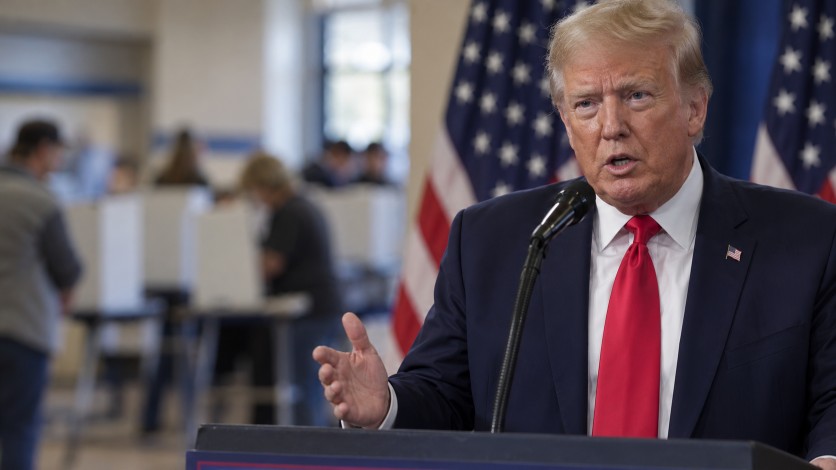
In the lead-up to the November 3 midterm elections, former President Donald Trump has stated that he will accept the results if the electoral process is conducted honestly. This declaration came during a campaign trip to Texas on October 27, where Trump addressed reporters and reiterated concerns about voter fraud, a recurring theme in his political rhetoric since the 2020 presidential election.
Trump’s comments coincide with opinion polls suggesting potential losses for the Republican Party in Congress, driven by voter dissatisfaction over issues such as inflation and energy prices. Despite these challenges, Trump remains active on the campaign trail, aiming to bolster Republican turnout. Texas, typically a Republican stronghold, is witnessing a tightly contested Senate race, highlighting the competitive nature of these midterms.
As the electoral stakes are high, with control of Congress and subsequent influence on Trump’s presidency at play, he emphasized his willingness to collaborate with Democrats should Republicans lose their majority in either the House of Representatives or the Senate. Trump noted his ability to employ presidential veto power as a strategic tool in legislative negotiations.
Adding to the charged atmosphere of these midterm elections, Trump has announced a $1 million reward for information leading to convictions related to voter fraud. This move reflects the heightened political tension and his ongoing narrative of election integrity concerns.
Critics worry that Trump’s persistent claims of electoral fraud could lead to disputes over unfavorable election outcomes, echoing the controversies following his 2020 defeat. Nevertheless, Trump maintains that a fair process would earn his acceptance of the results, underscoring the importance of election integrity in the current political landscape.