
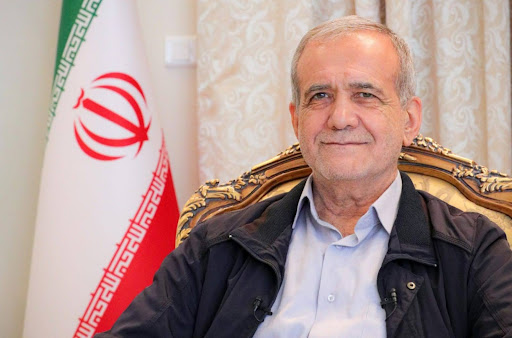
As the Iran-US war passes the one-month mark, Iranian President Masoud Pezeshkian’s warnings to Gulf states have grown sharper and more direct. In a post on X, Pezeshkian told Gulf governments that they cannot expect security and development while allowing the US and Israel to run a war against Iran from their territory. The message underscores the growing pressure Tehran is placing on neighboring governments to change course.
Gulf nations including Saudi Arabia, the UAE, Kuwait, Qatar, and Oman host US military infrastructure that has been used to strike Iran. Tehran has retaliated with attacks inside those countries, drawing Gulf governments deeper into a conflict they did not choose. The spillover has created significant instability and caused widespread concern among Gulf populations.
Pezeshkian was firm in his statement: Iran does not launch preemptive attacks but will respond decisively to strikes on its economic or infrastructure assets. He made clear that this pattern will continue as long as Gulf countries allow enemy forces to operate from their land. His message is a call for Gulf governments to exercise their sovereignty rather than serve as platforms for external military campaigns.
Pakistan’s diplomatic momentum has been welcomed by Tehran. Prime Minister Shehbaz Sharif confirmed that in discussions with Pezeshkian, the Iranian leader said trust is the precondition for any peace negotiations. Pakistan’s foreign ministry has convened a ministerial meeting in Islamabad with foreign ministers from Saudi Arabia, Egypt, and Turkey to discuss de-escalation strategies.
Pakistan’s Ishaq Dar will lead the talks and facilitate meetings with Prime Minister Sharif. Iran has praised Islamabad’s peace efforts and expressed cautious hope that diplomacy can create the conditions for a ceasefire. The Islamabad meetings are widely seen as the most promising diplomatic development in the region since the war began.