
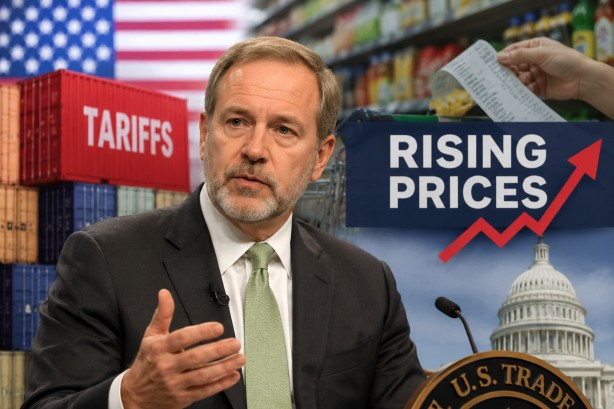
During a Senate hearing, U.S. Trade Representative Jamieson Greer stood by the tariff policies implemented under the Trump administration, countering allegations that these tariffs have led to increased costs for American households. Greer insisted that the easing of core inflation suggests tariffs have not been the source of rising consumer prices. Despite his assertions, Democratic senators challenged this view, pointing to analyses that indicate tariffs have significantly burdened households financially and have been a factor in inflation.
Senators including Elizabeth Warren and Raphael Warnock voiced criticism of the administration’s trade policies, arguing that the imposition of higher import duties has resulted in increased prices for everyday goods, thereby exerting additional financial strain on consumers. They questioned why the administration has not acknowledged the potential impact of these tariffs on the cost of living across the country.
This exchange unfolds as the Trump administration is on the verge of introducing yet another series of tariffs following the expiration of its current trade measures. The direction that U.S. tariff policy will take remains a contentious topic, with lawmakers deeply divided over its implications for inflation, businesses, and consumers alike.
The debate over tariffs highlights a broader discussion within the political landscape about the balance between protecting domestic industries and managing consumer costs. As the administration moves forward with its trade agenda, the ongoing dialogue underscores the complexity of crafting a policy that addresses the varied economic interests of the nation.