
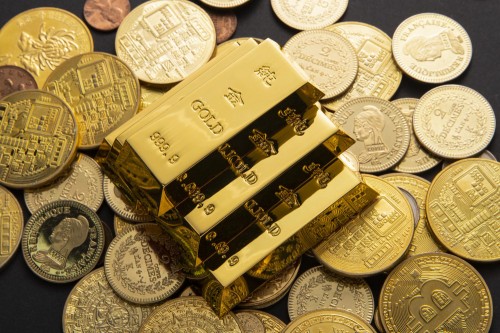
This week, gold prices experienced a decline as the market grappled with the ongoing uncertainty surrounding the US-Iran negotiations aimed at resolving the broader Middle East conflict. Trading close to $4,450 per ounce, gold was on track for a weekly loss of about 2%. The lack of clear direction from both the US and Iran has left investors on edge, with American officials suggesting peace talks are nearing completion, while Iranian representatives argue that significant progress remains elusive.
Now entering its fourth month, the conflict has caused significant disruption to vital energy pathways, particularly through the Strait of Hormuz, which has led to an increase in oil prices. This situation has sparked renewed fears of global inflation, which in turn has influenced expectations that central banks might maintain or even raise interest rates. Such a monetary policy outlook diminishes the appeal of gold, a non-yielding asset traditionally viewed as a safe haven.
Despite the persistent geopolitical risks, gold has found it challenging to gain traction, largely trading within a limited range following earlier steep declines. The metal’s value has not returned to levels seen before the conflict began, indicating a decreased demand for conventional safe-haven investments.
Alongside gold, other precious metals also saw declines, while currency markets showed relative stability, reflecting a mixed positioning among investors amid the ongoing global uncertainty. Market analysts indicate that the future trajectory of gold will likely hinge on whether geopolitical tensions escalate or if a diplomatic breakthrough can lead to stabilization in energy markets and inflation forecasts.