
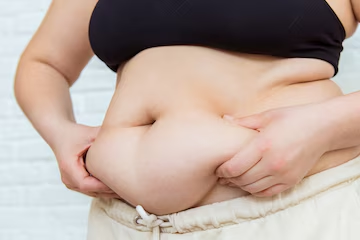
If tapping your stomach feels more like hitting a drum than poking a pillow, you need to pay attention. This physical characteristic is a key indicator of visceral fat accumulation, a condition that gastroenterologists warn is the starting point for many preventable chronic diseases. The distinction between soft and hard fat is a matter of location and toxicity.
Soft fat is subcutaneous. It is loose, jiggly, and sits between the skin and the muscle. It is the type of fat that can be removed via liposuction because it is accessible. While not ideal for athletic performance, it is not a major metabolic threat. It essentially sits there, minding its own business, providing insulation and energy reserves.
Hard fat, however, is visceral. It is located behind the muscle wall, deep inside the body. You cannot liposuction it away because it is interwoven with your intestines and liver. It pushes the stomach muscles out, creating a taut, hard surface. This fat is a metabolic bully, actively disrupting the body’s hormonal signals and causing widespread inflammation.
The presence of a hard belly is strongly correlated with fatty liver disease, heart disease, and stroke. It indicates that the organs are swimming in fat, which hampers their efficiency. The “drum-like” feel is the tension of the abdominal wall trying to contain the internal volume.
Reversing this condition requires a focus on metabolic health. Experts advise ignoring the BMI chart and focusing on waist circumference and belly texture. Strategies include increasing dietary protein, eliminating liquid sugars, and ensuring 7-8 hours of sleep nightly. By targeting the visceral fat, you reduce the pressure on your organs and your risk of disease.