
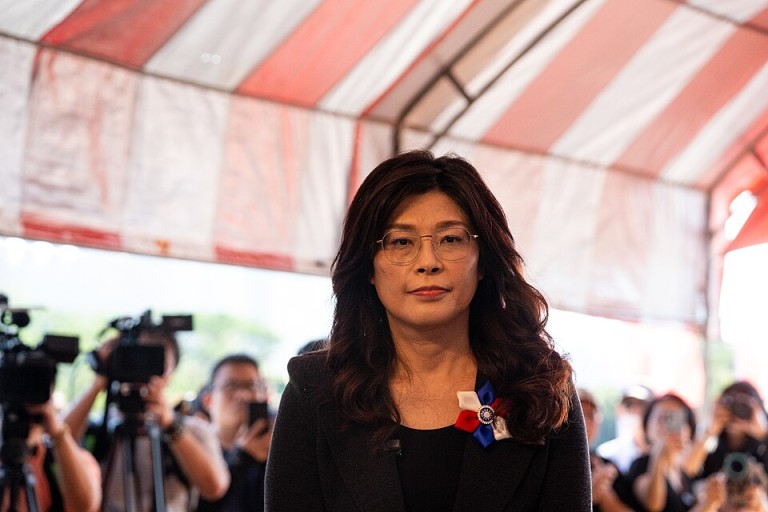
As she embarks on a two-week visit to the United States, Taiwanese opposition leader Cheng Li-wun has expressed her openness to meeting with former U.S. President Donald Trump. Cheng highlighted her readiness to converse with any influential figure capable of fostering peace and stability in the region. Her approach mirrors the principles that guided her recent discussions with Chinese President Xi Jinping, emphasizing the importance of dialogue with global leaders to promote regional harmony.
During her visit, Cheng plans to engage with U.S. lawmakers and government officials, including a stop in Washington. While she did not reveal specific details about her meetings, her willingness to engage with Trump underscores her commitment to leveraging international relationships for the benefit of regional security. Cheng’s visit coincides with ongoing debates in Taiwan concerning defense expenditures and cross-strait relations, where opposition parties are advocating for a strategic mix of military readiness and diplomatic dialogue.
Cheng voiced her approval of the recent warming relations between the United States and China, expressing optimism that increased dialogue among the world’s major powers could ease regional tensions. She emphasized that Taiwan’s security policy should not only focus on bolstering defense capabilities but also prioritize communication with Beijing. Cheng believes that open dialogue is crucial in minimizing the risk of military conflict and ensuring stability across the Taiwan Strait.
The timing of Cheng’s visit is significant, as Taiwan continues to grapple with balancing defense spending against the need for diplomatic engagement with China. Cheng’s stance suggests that she sees diplomacy as an indispensable component of Taiwan’s security strategy, advocating for a comprehensive approach that includes both military and diplomatic efforts. Her trip to the U.S. underscores the importance of international partnerships in addressing security challenges and maintaining peace in the Asia-Pacific region.