
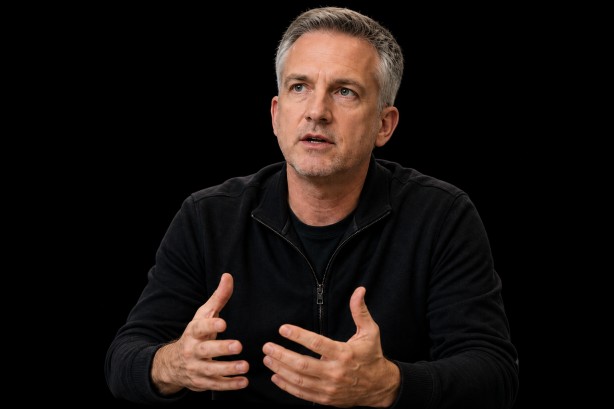
Bill Simmons, known for his writing-centric career, has recently stirred controversy by endorsing ChatGPT, an artificial intelligence tool, on his podcast. During the show, Simmons introduced ChatGPT as an AI sponsor and engaged with its analysis of former NBA star Russell Westbrook’s most impactful game. This endorsement has sparked criticism amid rising concerns in the writing community about AI diminishing the value of human-generated content.
The criticism surrounding Simmons’ promotion of AI is significant, especially considering his history with Grantland, a sports and culture website he launched in 2011. Grantland gained a reputation for its ambitious long-form journalism that allowed writers to cultivate unique styles and explore in-depth topics. In contrast, The Ringer, Simmons’ subsequent venture, while still employing a substantial number of writers, has gradually shifted its focus toward podcasts and on-air personalities. Critics see this as a departure from Grantland’s writing-focused ethos.
Additionally, Simmons has used AI-generated content in his podcasts, such as requesting ChatGPT to mimic the style of the esteemed film critic Roger Ebert. This has reportedly made some of his colleagues uneasy, highlighting the broader conversation on whether AI should replicate the work and voices of established writers. As media organizations grapple with financial challenges, layoffs, and evolving audience preferences, Simmons’ AI promotion has been met with skepticism, especially from those who worry about AI’s potential to threaten jobs and diminish the demand for original writing.
The debate underscores a tension in Simmons’ relationship with writing: a prominent media figure whose career thrived on cultivating a human voice is now championing a technology that some fear could undermine the very essence of that voice. Critics argue that, given Simmons’ history of fostering ambitious writers, his support for AI sends a conflicting message at a time when many in the creative industries are anxious about their future in an AI-driven landscape.