
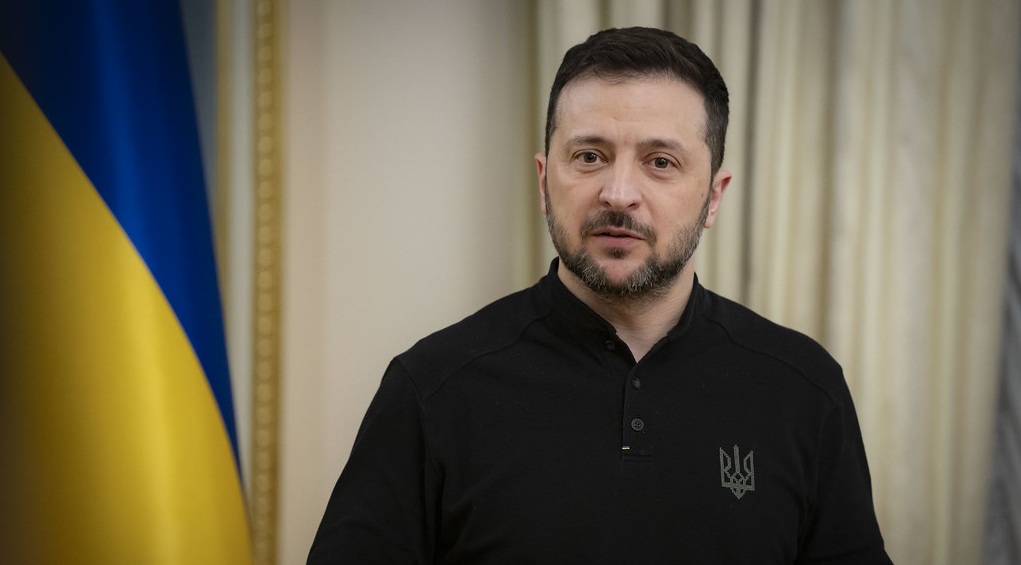
The European leaders in Washington are there to enforce a simple but powerful principle that has become the cornerstone of Kyiv’s foreign policy: the Zelenskyy Doctrine. This unwritten rule states that there can be no decisions about Ukraine’s future made without Ukraine’s consent.
The “bodyguard” mission is a direct application of this doctrine. By flanking Volodymyr Zelenskyy, the European allies are ensuring that he is not sidelined in a deal struck between larger powers. They are there to make sure his voice is central to the negotiations.
German Chancellor Friedrich Merz echoed this sentiment perfectly when he warned Donald Trump not to act “over the heads of Ukrainians and Europeans.” This statement is the European endorsement of the Zelenskyy Doctrine.
The presence of the delegation is a physical manifestation of this principle. It ensures that Zelenskyy is not merely an object of negotiation but the primary agent. The mission’s goal is to empower him to resist any deal that violates his nation’s sovereignty, reinforcing the idea that Ukraine’s destiny must be decided in Kyiv, not imposed from Washington or Moscow.