
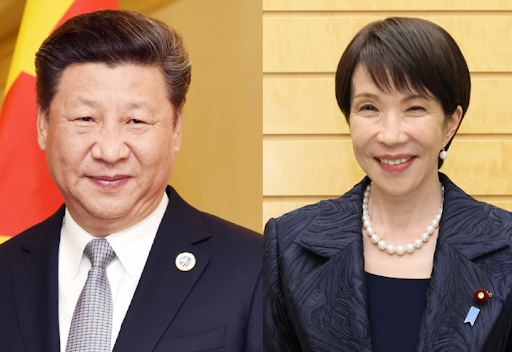
Diplomatic relations between Asia’s two largest economies have deteriorated sharply into an economic confrontation following controversial statements by Japanese Prime Minister Sanae Takaichi regarding potential military scenarios involving Taiwan and China. The Chinese embassy in Tokyo has issued a second travel advisory cautioning Chinese citizens about purported safety risks in Japan, marking an escalation in Beijing’s sophisticated use of tourism as a diplomatic pressure mechanism. This warning follows directly after Takaichi’s remarks suggesting Japan might consider military involvement if Beijing takes armed action against Taiwan.
The economic stakes of this diplomatic confrontation are extraordinarily high for Japan’s financial stability. Leading economist Takahide Kiuchi calculates that the travel advisory could cost Japan’s economy approximately 1.8 trillion yen ($11.5 billion), potentially diminishing annual economic growth by 0.3 percentage points. Chinese tourists had emerged as increasingly vital to Japan’s tourism sector, with more than 8 million visitors arriving during the first ten months of the year, accounting for 23% of total international arrivals according to comprehensive statistics from the Japan National Tourism Organization.
Japanese tourism businesses are already experiencing significant and mounting financial strain from the diplomatic tensions. In Tokyo’s historic Asakusa district, Rie Takeda operates a traditional tearoom offering authentic tea ceremony experiences to international visitors. She has reported 200 cancellations for bookings extending into January, representing a substantial blow to her business that typically serves approximately 3,000 Chinese guests annually. While Takeda expresses hope for tourism recovery around Chinese New Year in February, experts warn with considerable certainty that previous diplomatic incidents have resulted in prolonged tourism downturns lasting months or years.
The diplomatic standoff is generating cascading effects throughout various sectors of bilateral exchange and cooperation. Chinese authorities have postponed the theatrical release of two Japanese films without providing explanations or revised schedules, while performance venues in Shanghai cancelled scheduled appearances by Japanese entertainment companies at comedy festivals. Japanese industrial leaders are expressing mounting concern about potential Chinese restrictions on rare earth mineral exports, which are crucial components in automotive manufacturing and electronics production. Additionally, China’s two-year ban on Japanese seafood imports continues with no indication whatsoever of being rescinded.
At the center of this crisis lies fundamental disagreement over the “One China” principle and interpretations of the historic 1972 joint statement that normalized diplomatic relations between the two nations. China insists Japan must explicitly affirm Chinese sovereignty over Taiwan, while Japan’s original diplomatic language stated it “fully understands and respects” China’s position that Taiwan is an “inalienable part” of Chinese territory, carefully avoiding direct endorsement of the claim. Prime Minister Takaichi has since attempted to clarify her position, stating she was responding candidly to hypothetical questions rather than announcing substantive policy changes, while affirming her unwavering commitment to maintaining strategic, mutually beneficial relations with China.