
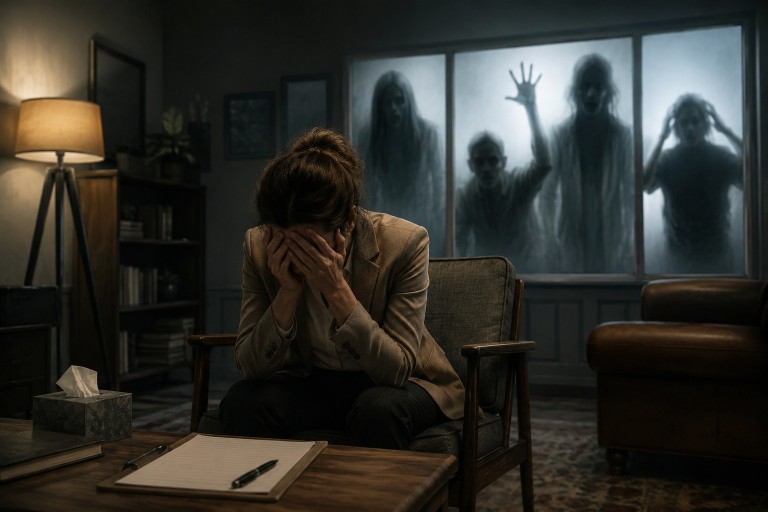
In recent years, horror and psychological films have increasingly depicted therapists not as unwavering guides but as complex individuals grappling with their own emotional battles. This shift aligns with the broader societal dialogue on mental health, acknowledging that therapists, too, grapple with personal issues. Films like If I Had Legs I’d Kick You, Smile, Backrooms, and A Private Life place therapists at the heart of intense narratives, facing trauma and psychological turmoil while trying to aid others. These characters are no longer just wise advisors; they are protagonists whose own mental resilience is put to the test.
This evolution in storytelling coincides with the growing acceptance of therapy in mainstream culture. As discussions around mental health become more prevalent, aided by social media’s role in destigmatizing such conversations, more people are seeking therapeutic support. This cultural shift has inspired filmmakers to portray therapists as relatable, everyday people rather than idealized figures.
By employing elements of supernatural or psychological horror, these films delve into themes of anxiety, burnout, and unaddressed trauma, mirroring the internal struggles therapists might face. Through these narratives, therapists are portrayed as human, with their own vulnerabilities, thereby challenging traditional depictions of the profession. The stories emphasize the immense pressure mental health professionals endure, offering a nuanced view of their roles.
Ultimately, these films reflect a more realistic portrayal of therapists, recognizing their humanity and the personal challenges they encounter. This new lens provides audiences with a deeper understanding of the complexities within the field of mental health, highlighting the delicate balance therapists maintain between their professional duties and personal experiences.