
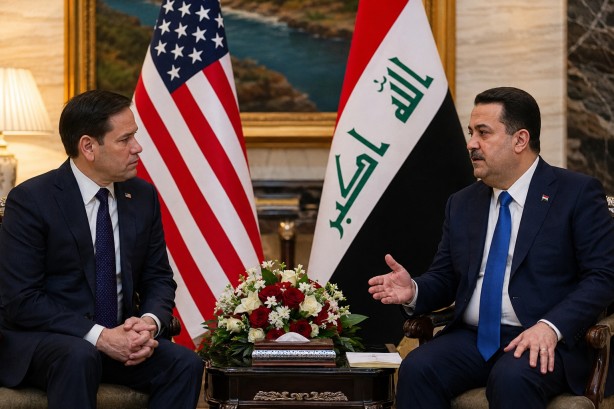
Iraqi Prime Minister Ali Al Zaidi recently wrapped up a significant visit to Washington, where he secured crucial economic agreements and worked to strengthen ties between Iraq and the United States. This visit underscored Iraq’s ongoing efforts to draw in international investment and bolster security collaboration, while also casting Al Zaidi as a leader committed to reform.
The trip was well-received by U.S. officials, but analysts warn of the challenges that lie ahead in fulfilling pivotal commitments like security reforms and economic modernization. Iraq faces complex internal political dynamics and the substantial influence of Iran-backed groups, which may complicate these efforts. Furthermore, Baghdad must skillfully navigate its relationships with both Washington and Tehran amidst continuing regional tensions.
Despite the challenges, the visit has opened new avenues for cooperation between Iraq and the United States. The long-term success of these initiatives will hinge on Iraq’s capacity to implement reforms effectively and sustain stable relations with both of its major partners.
The endeavor to balance Iraq’s connections with the U.S. and Iran remains a delicate task, given the ongoing geopolitical tensions in the region. As Prime Minister Al Zaidi positions himself as a reform-oriented leader, the pressure mounts to deliver tangible outcomes from these diplomatic engagements.
Ultimately, the visit represents a step forward in Iraq’s diplomatic strategy to enhance its global standing and economic prospects. However, the path to realizing these goals requires navigating a complex landscape of internal and external challenges that will test the resolve and resilience of Iraq’s leadership.